An architectural setting for public design collections
On June 10, the National Design Gallery opens its doors at the Cité du Design in Saint-Étienne. Dedicated to the promotion of public design collections, this new space, unique in France, is settling in a building in the former arms factory, the rehabilitation of which has been entrusted to the Lyon architecture agency SILT. The building was delivered in March 2026.
A sublimated space
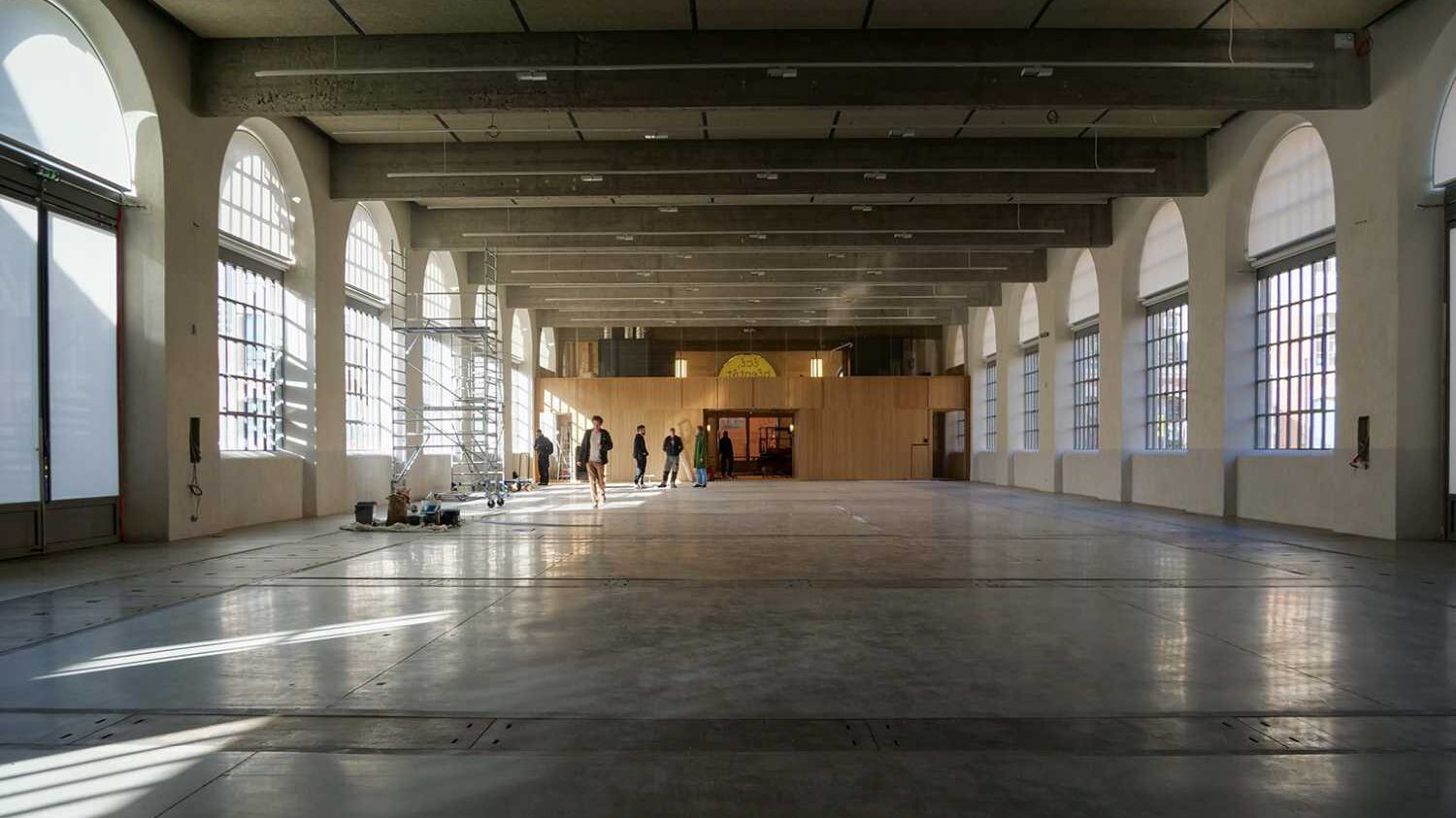
Located in the majestic buildings of the former National Arms Manufacture, protected as Historic Monuments, the National Design Gallery occupies building 242 of the Cité du Design.
This heritage context guided the rehabilitation project around two major axes: preserving and revealing the industrial identity of the site, while designing a modular place, capable of accommodating multiple uses.
The architectural intervention, led by the Lyon agency SILT, accompanied by the scenographers Ducks Scéno, offers a contemporary reading of this remarkable heritage, without ever erasing it.
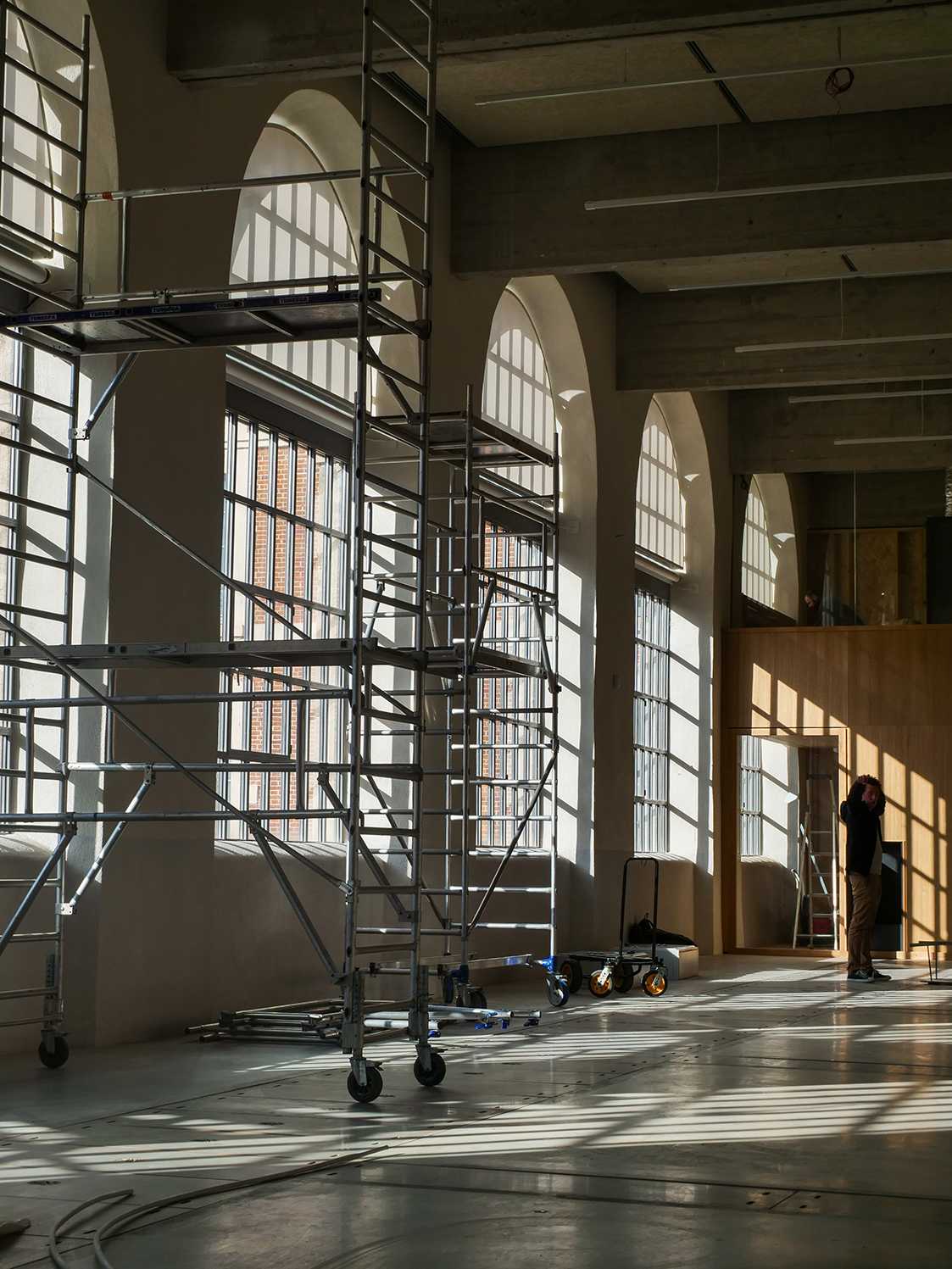
Rehabilitation is based on the backup and enhancement of existing volumes, structures and spaces. The concrete beams, the metal frames and the stone and brick facades of the building, emblematic elements of the site, embody the ingenuity and modernity of the architectural ensemble. These powerful structures release a grandiose and singular volume, naturally structuring the spaces.
“The undeniable heritage value of the whole pushed us to imagine a humble project capable of taking advantage of the pre-existing qualities. A fair and discreet, contemporary and sober project, which is able to reveal all the beauty of the place and its incredible scalability.”
SILT Architects
A strong RSO approach
The architectural project of the National Design Gallery is part of a social and environmental responsibility approach. The materials chosen are durable and adapted to the conservation requirements of the works: peripheral walls lined with hemp concrete, mixture of lime and hemp, promoting hygrometric and thermal control, and interior walls in wood, contributing to the comfort of the spaces and their quality of use.
Funded to the tune of 6.8 million euros by Saint-Étienne Métropole, the project also benefited from support of 2 million euros from the State under the State-Region plan contract.