Design in hand
From language to object
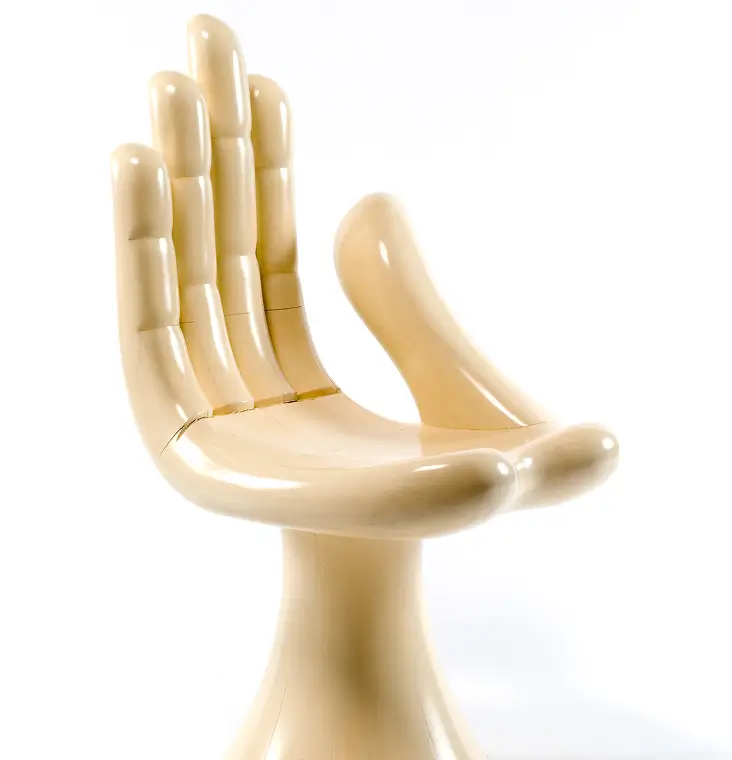
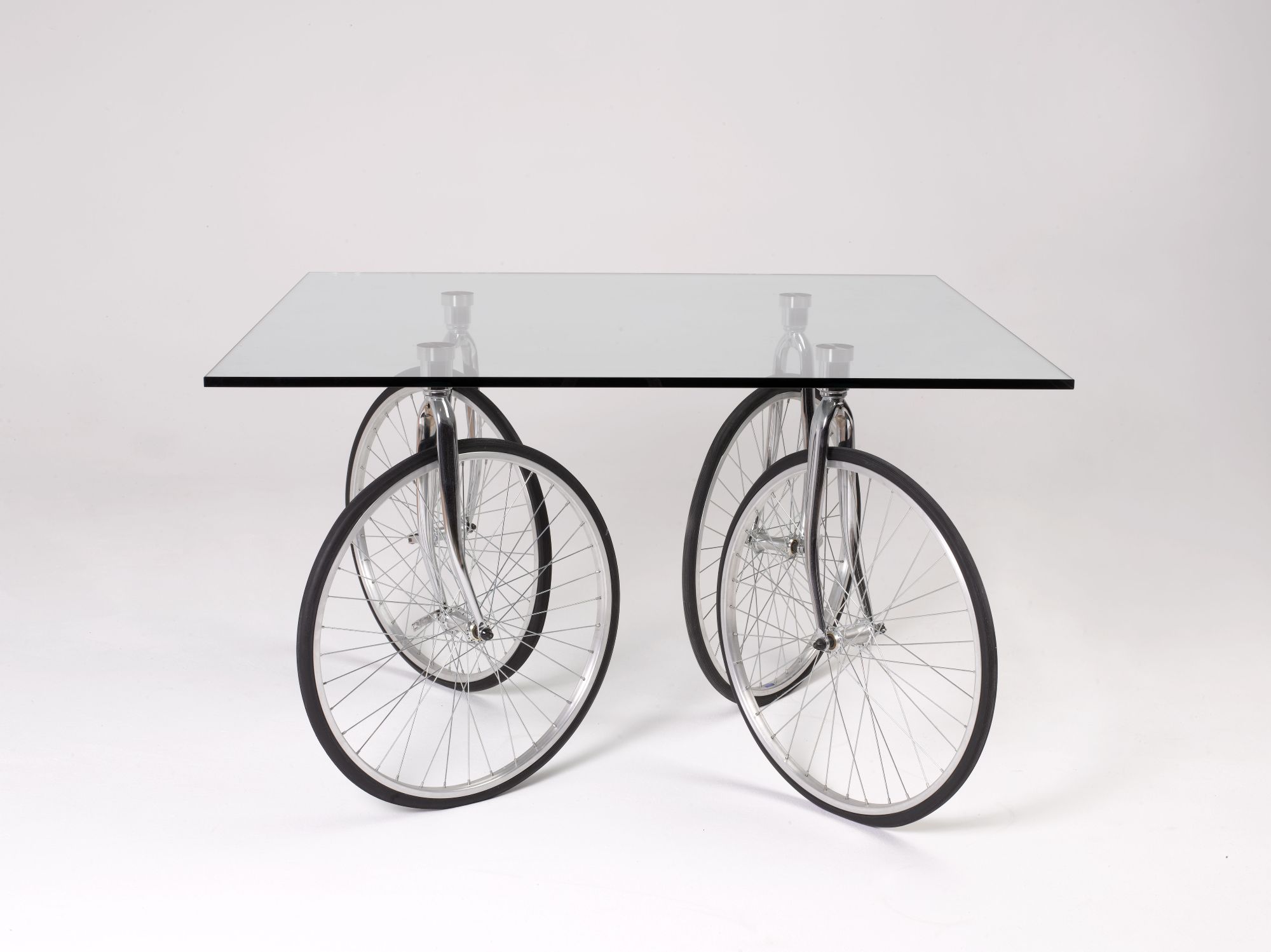
Designed by design historian Laurence Mauderli, Lexposure Design in hand. From language to object brings together nearly 400 pieces fromA dozen public design collections. From industrial culture from Saint-Etienne to contemporary perspectives to the great changes of the XXand and XXIand centuries, this epic of design sheds light on the way in which objects, transmitted from hand to hand, carry the memory of societies while opening new paths.
Based on six popular expressions built around the word ‘hand’, Laurence Mauderli offers a narrative journey that traces the history of design: its development phases, its influences, and its impact on society.
Date
From June 11, 2026 to March 7, 2027
Commissioner
Laurence Mauderli
An invitation to (re)discover design
For this inaugural exhibition of the National Design Gallery, Laurence Mauderli pays tribute to the place where it takes place: the former arms factory, in the heart of the Cité du Design district in Saint-Étienne. Starting from the word ‘manufacture’ and its etymological origin, the commissioner draws a thread that leads from the question of the hand to that of industrial production, passing by the manufacture of language. Based on six popular expressions built around the word ‘main’, Laurence Mauderli offers a narrative journey that traces the history of design: its development phases, its influences, and its impact on society. From crafts to industry, from utilitarian objects to prospective thinking, the exhibition reveals how design has shaped our world.
The hand like red thread
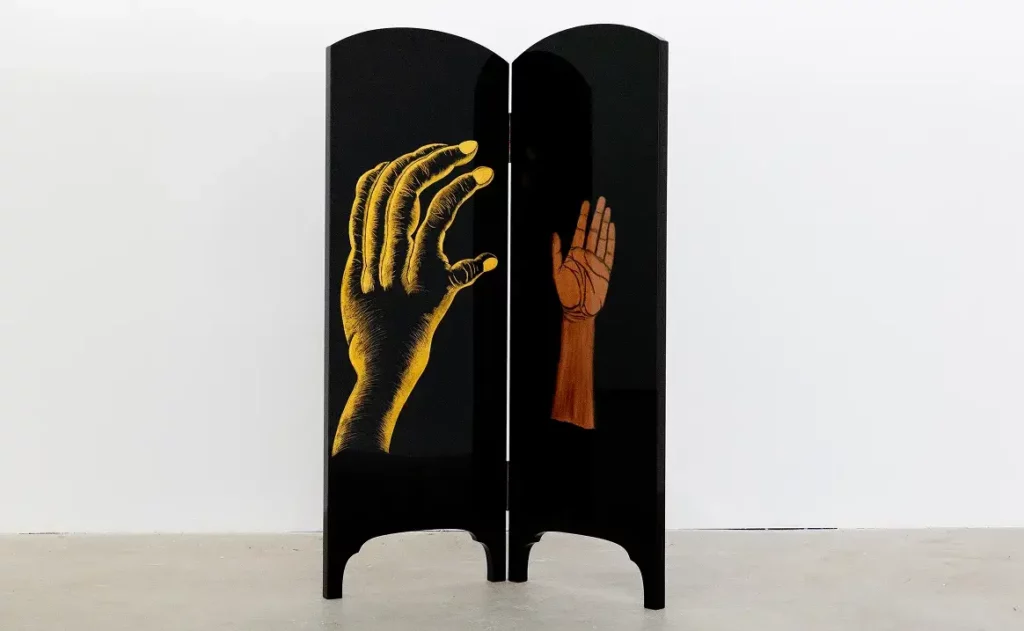
An organ of the human body, the hand is the instrument par excellence of touch and doing. It is therefore a tool of knowledge and action. By choosing six popular phrases using the word ‘ main ’, Laurence Mauderli invites the public to a game between saying and doing, to a mirror effect – which becomes a scenographic journey – between words and objects.
barehanded, get hold of, have in hand, from hand to hand, lose one’s hand, Take in charge… In the same way as she explored the origin of these expressions in language, she looked into the appearance of design in the history of objects.
Like a game of mirrors where words illuminate forms, where gestures reveal uses, and where the hand – at the same time word, tool, symbol and memory – becomes the key to a story that connects individuals, objects and the world, this exhibition questions how expressions – defined Like a language design – dialogue with objects – defined as a design language. The expressions chosen to structure this exhibition are like glasses through which the visitor will be able to discover and apprehend the exhibits.
Language and design: two units of forms and meaning
For Laurence Mauderli, the phrase is a kind of space of linguistic freedom that frees itself from the rules and which represses the grammatical and lexical norm. And the design does the same : to use the words of the historian Judy Attfield in her work Wild Things. The Material Culture of Everyday Life (2000), although it is not distinguished from the world of things in general, design can be defined as ‘ objects endowed with an attitude ’. Created for a specific purpose, the latter convey a message.
In the exhibition Design in hand. From Language to Object, phrases and design objects therefore fully agree in their way of being language.
A founding exhibition
First exhibition of the National Design Gallery, Design in hand. From language to object In concretizes the scientific project: to bring together in a unique place design pieces preserved in the most beautiful public collections in the four corners of theHexagon.
By having nearly 400 selected objects dialogue withabout teninstitutions and putting them into perspective through his gaze ofHistorian, Commissioner Laurence Mauderli offers an unprecedented story on design, while paying tribute to Saint-Étienne, the only French city member of the Network of Creative Cities of UNESCO Design.
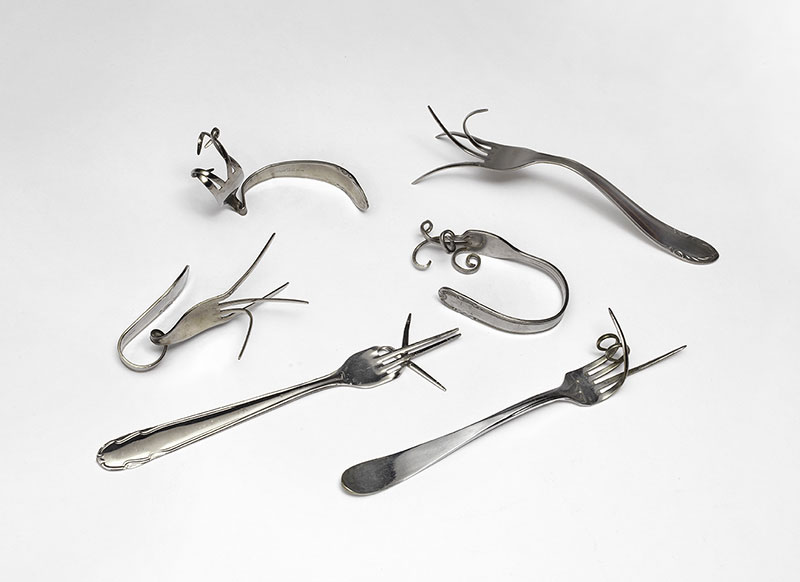
“I looked, if not the origin, at least the meaning of the six locutions that frame the exhibition Design in hand. From Language to Object. The selected design projects and objects are its formal, material and aesthetic reverberation: each expression has its objects. »
Laurence Mauderli, Commissioner of theexposure

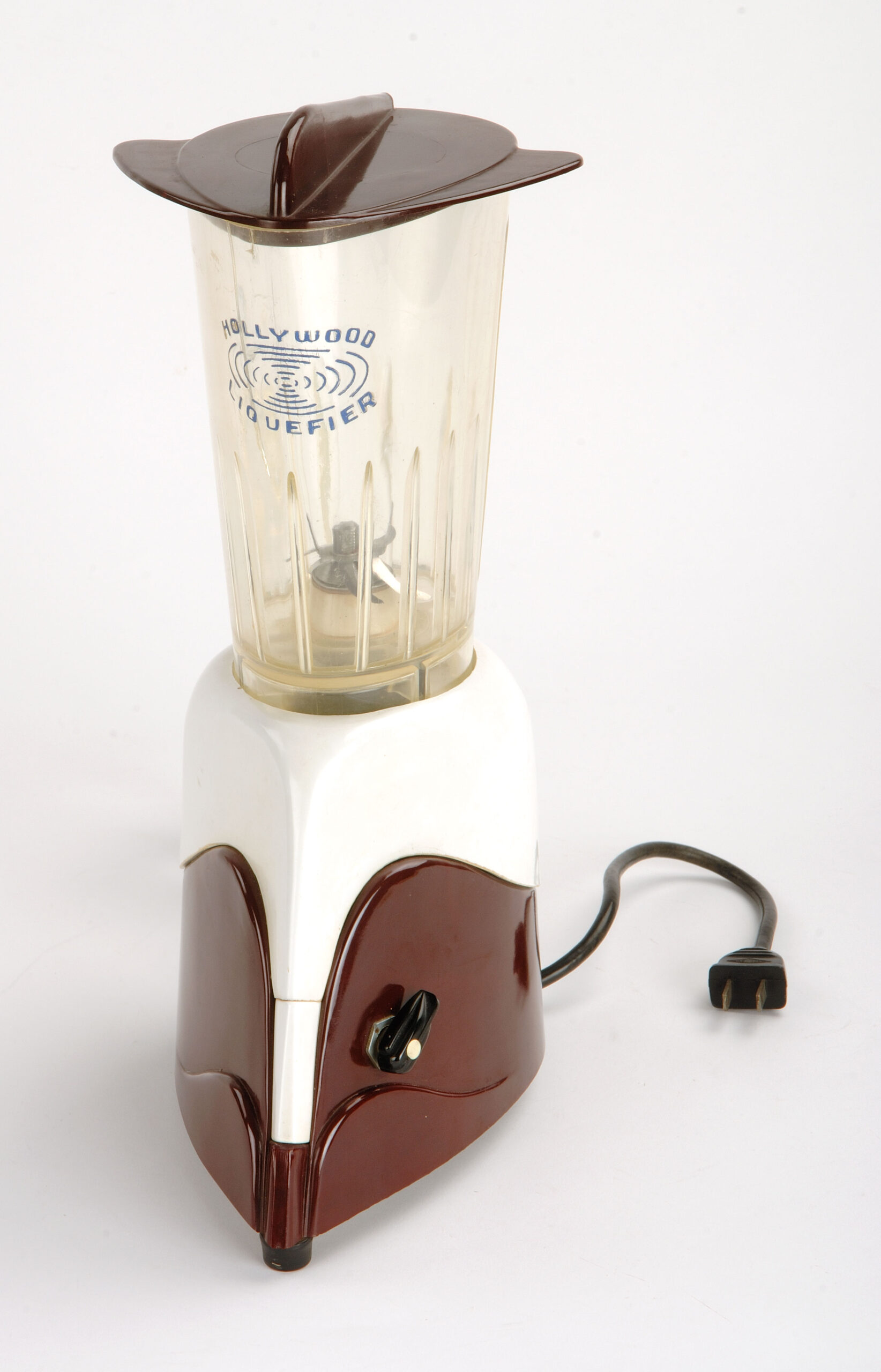

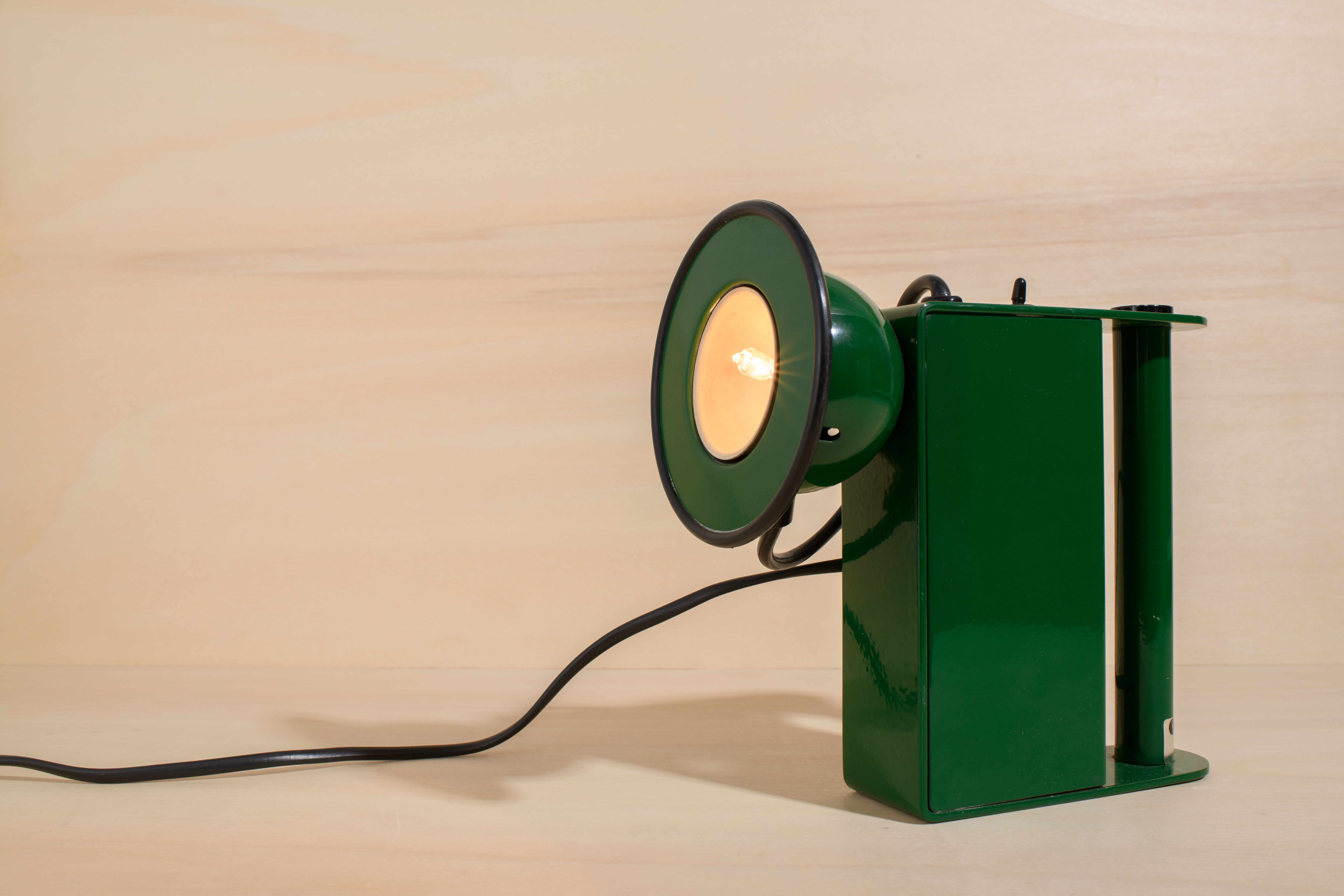
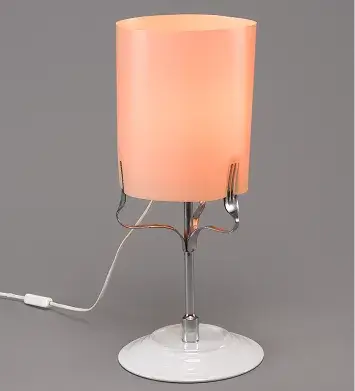

A six-step design epic
lexposure Design in hand. From language to object is not a chronological or exhaustive account of the history of design. The exhibition offers a situated, critical and subjective reading, mixing history, technique, linguistics, philosophy, anthropology and societal issues. Through the common thread of the hand, Laurence Mauderli offers a vision that is both universal and intimate, rigorous and poetic. It invites us to (re)discover design as a fundamental human practice, shaped by the challenges of its time. By linking past, present and future, it offers an immersive experience, where everyone can grasp the timeless scope of the design.
With bare hands: Saint-Étienne and the birth of design
The route opens in Saint-Étienne, in a territory shaped by coal, weapons and ribbon. These industrial activities have permanently marked the gestures, know-how and local material culture, laying the foundations for a singular relationship between the hand, the material and the object, which already foreshadows the design.

From hand to hand: when design crosses the ages
Echoing the work of prehistorian and ethnologist André Leroi-Gourhan, this part explores the continuity of forms through time and offers a close reading of a genetics of design. Daily objects are presented as witnesses to the permanence of the basic uses and basic needs that underlie them (eating, sleeping, sitting, moving, etc.)
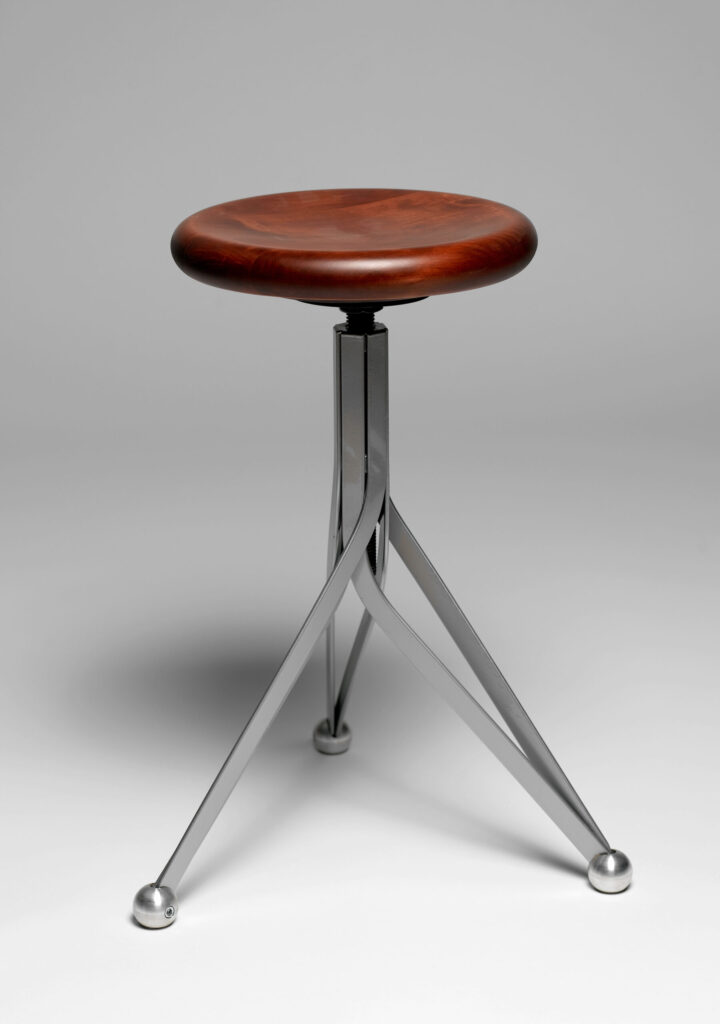
Getting started: from industry to consumer society
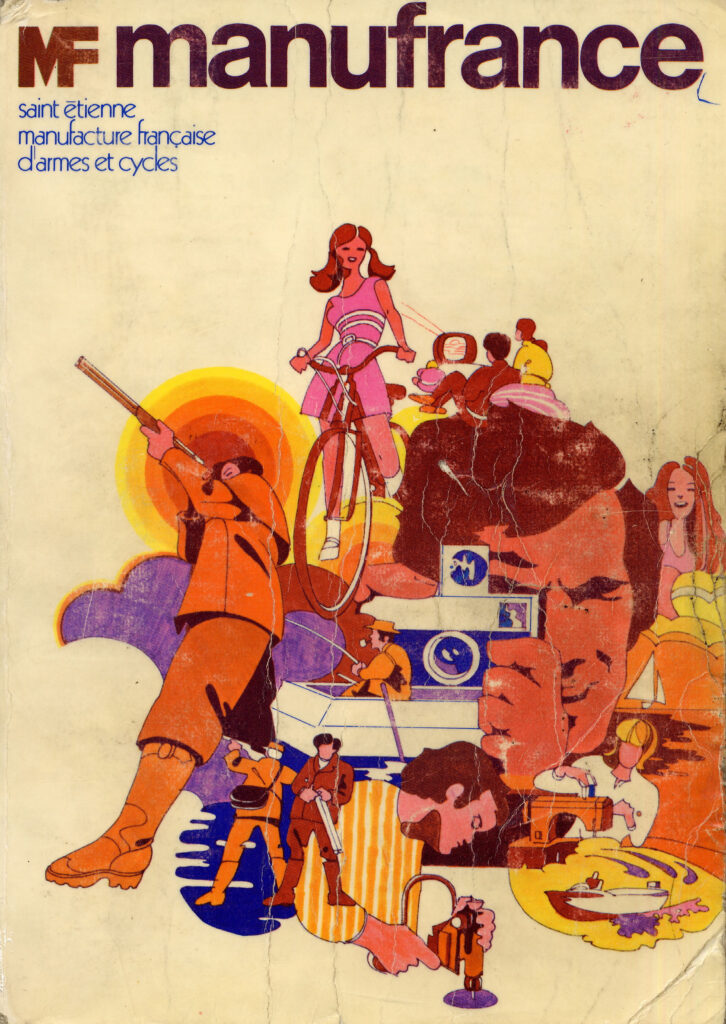
In this second part of the exhibition, we explore the rise of the consumer society through the catalogs of the French Manufacture of Arms and Cycles of Saint-Étienne, known as Manufrance catalogs.
Losing control: modernity and the disappearance of the gesture
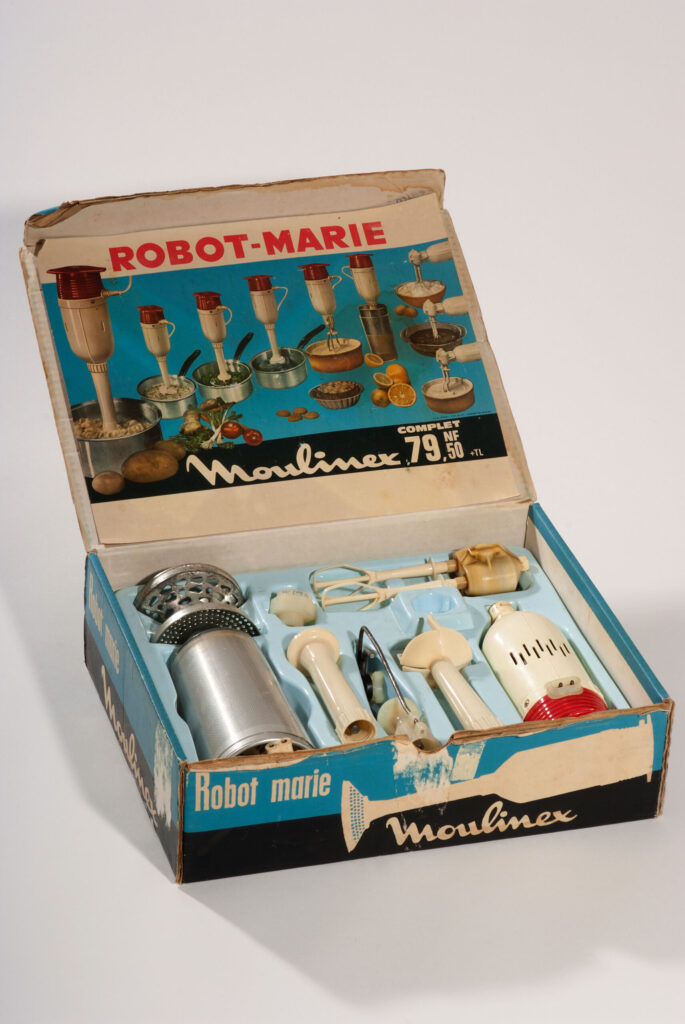
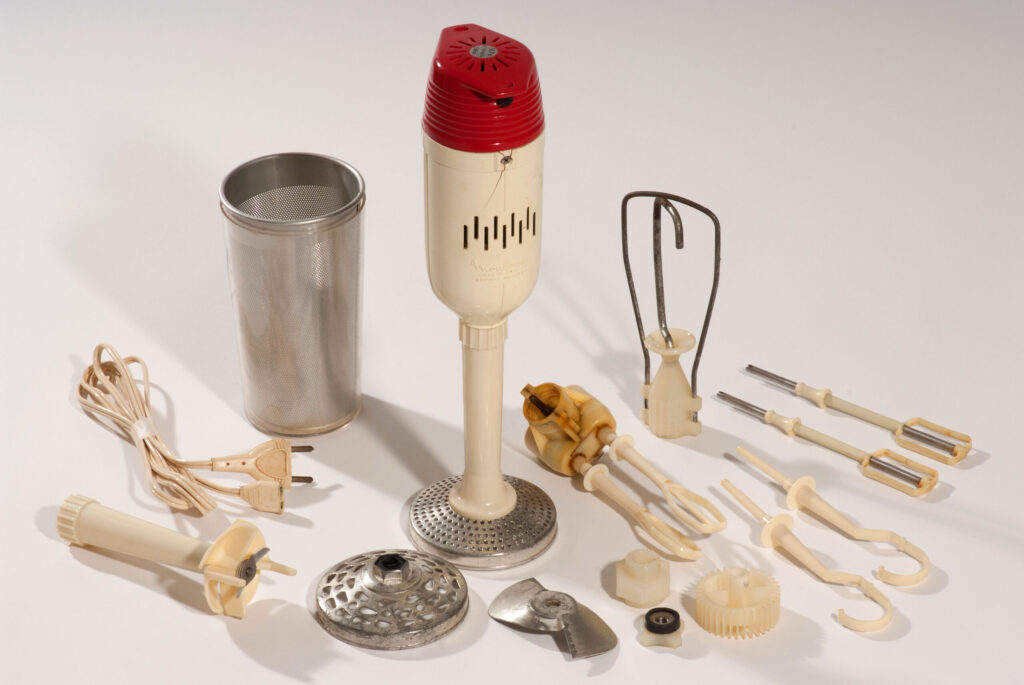
The fifth part of the exhibition questions the technical modernity and the growing place of machines in our daily lives. Through a large set of household appliances, this section shows how food processors, power tools and electrified devices are gradually relegating the hand to a simple activation tool.
Have in hand: the designer-gatherer, figure of the XXand century
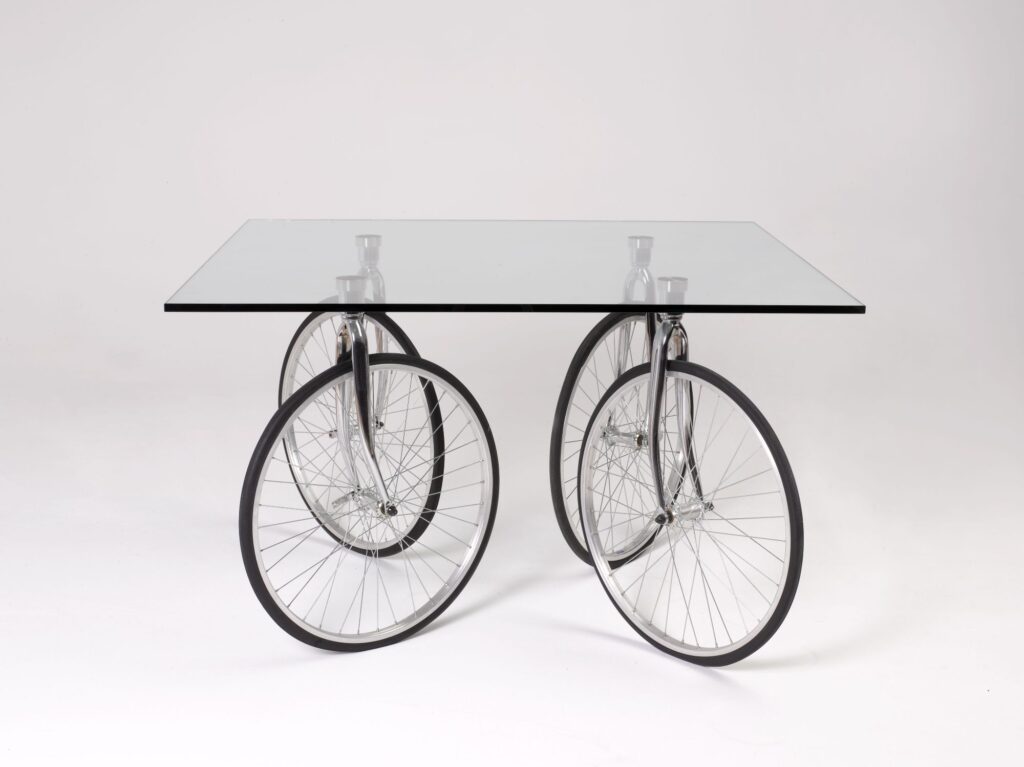
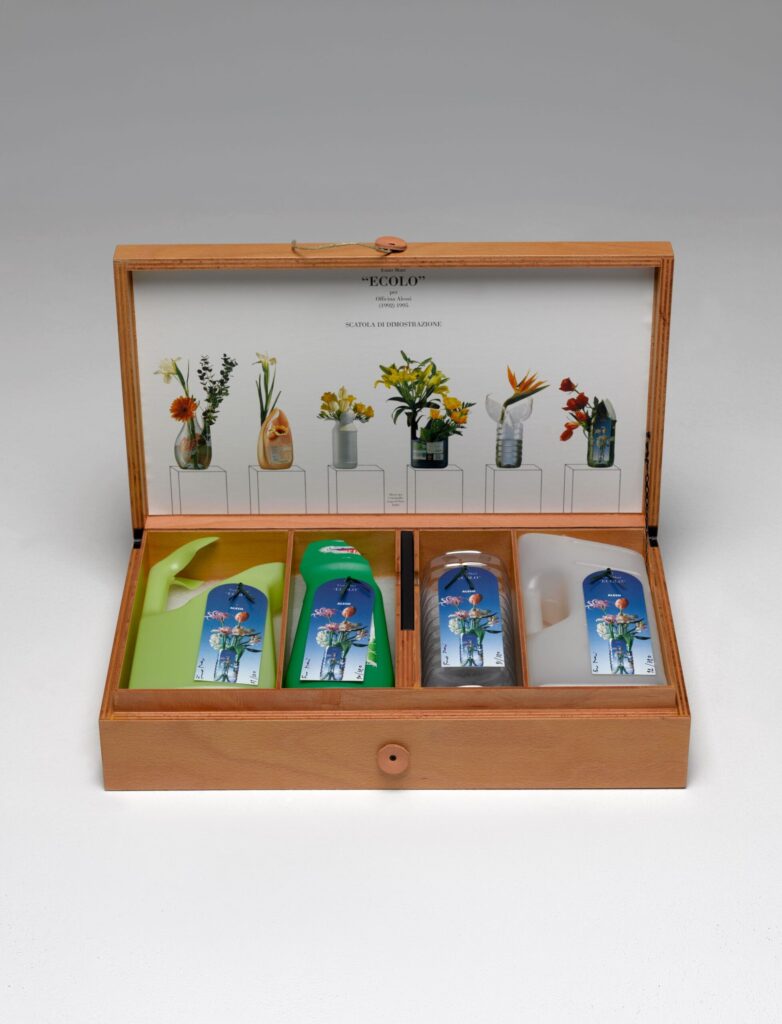
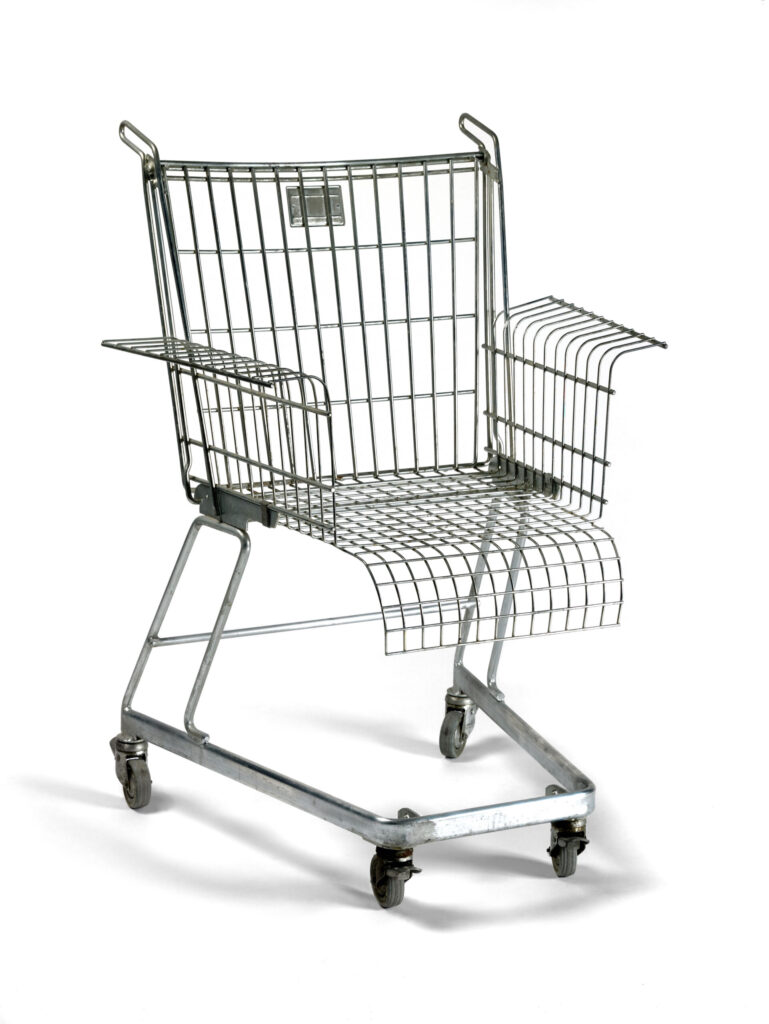
The exhibition continues in the XXand century around the figure of the “designer-gatherer”, a notion developed by Laurence Maudeli to describe designers who seize objects from material culture in order to reinvent them.
Getting started: design in the face of current challenges
Faced with contemporary issues, this last part highlights projects and objects, historical and recent, which question industrial standardization, promote natural resources and local know-how, and redefine manufacturing gestures.
“With the exhibition Design in hand. From language to object, Laurence Mauderli allows the National Design Gallery to fully express its vocation : highlighting the diversity of public design collections and making them dialogue in a living story. This inaugural exhibition concretizes our ambition : making design a story in motion, both demanding and accessible, where disciplines meet and where each creative gesture is part of a heritage and a visionary momentum. »
Aurélie Voltz, Director of the National Gallery of Design and MMC+
Laurence Mauderli, hands in design
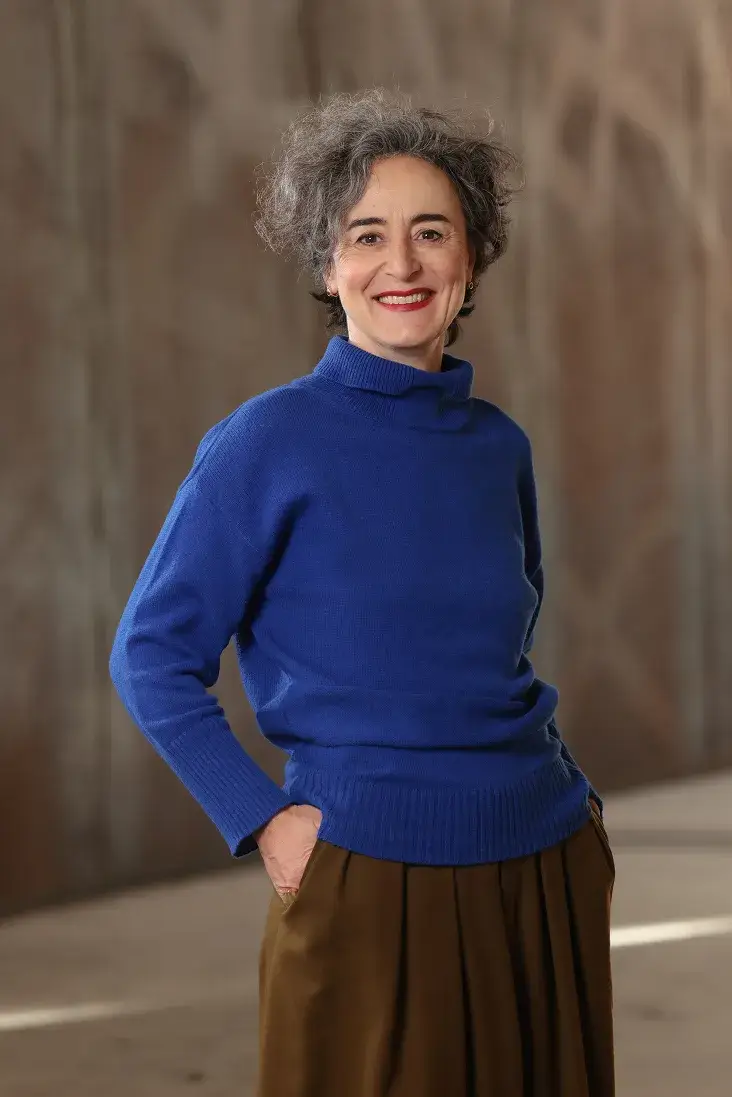
Laurence Mauderli is a design historian. Doctor in Art and Sciences of the Arts (University of Toulouse Jean-Jaurès), she graduated from the History of Design program of the Royal College of Art/Victoria & Albert Museum in London.
From 2000 to 2005, she was a scientific collaborator and co-curator of the DesignSammlung of the Museum für Gestaltung in Zurich. She has contributed to numerous exhibitions devoted to design, notably at the Victoria & Albert Museum, at the Center Pompidou and at the Swiss Cultural Center in Paris. Teacher in history and design theory since 2021 at the School of Art and Design in Saint-Étienne, she also taught at the Esad de Reims from 2007 to 2021.
His research, publications and exhibition curators focus on design and historical and contemporary material culture.
Trilingual, she pays constant attention to the language, its movements and its forms. By placing this theme at the heart of her research, she gradually fed a reflection on the possible dialogue between words and objects, offering a design reading grid which today constitutes the conceptual base of this exhibition.
“The hand occupies a central place in contemporary design, linking traditional and current practice. It offers alternatives to industrialization, questions the manual/digital relationship without being limited to crafts, and serves as a bridge between machine and know-how. Hand reflection is a key topic for research in design and for contemporary design. In this exhibition, I propose to listen to the hand, not just to see it. »
Laurence Mauderli
Laurence Mauderli, commissaire de l’exposition inaugurale
Podcast – Disegno – June 2026 – 21min
collections
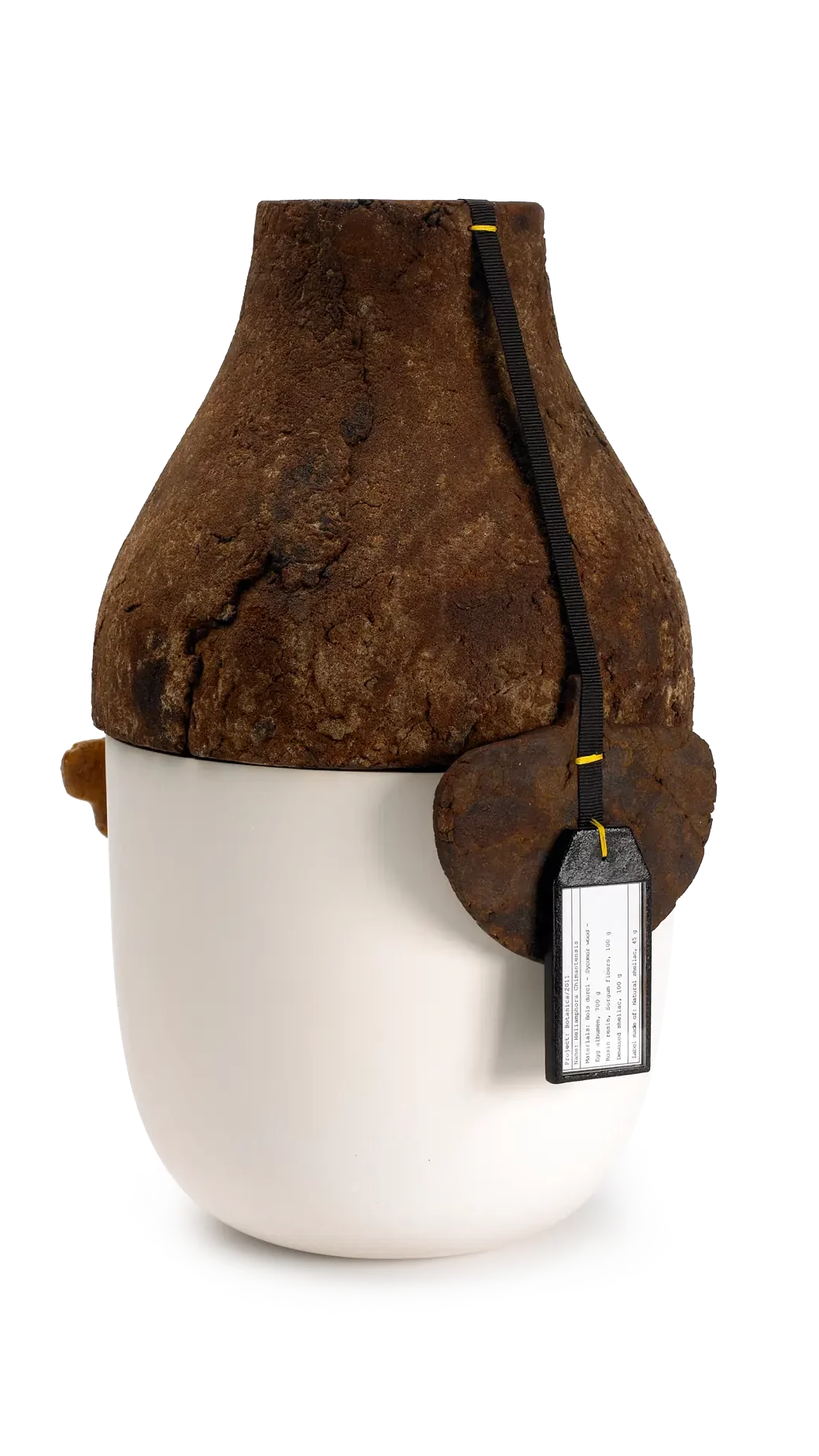
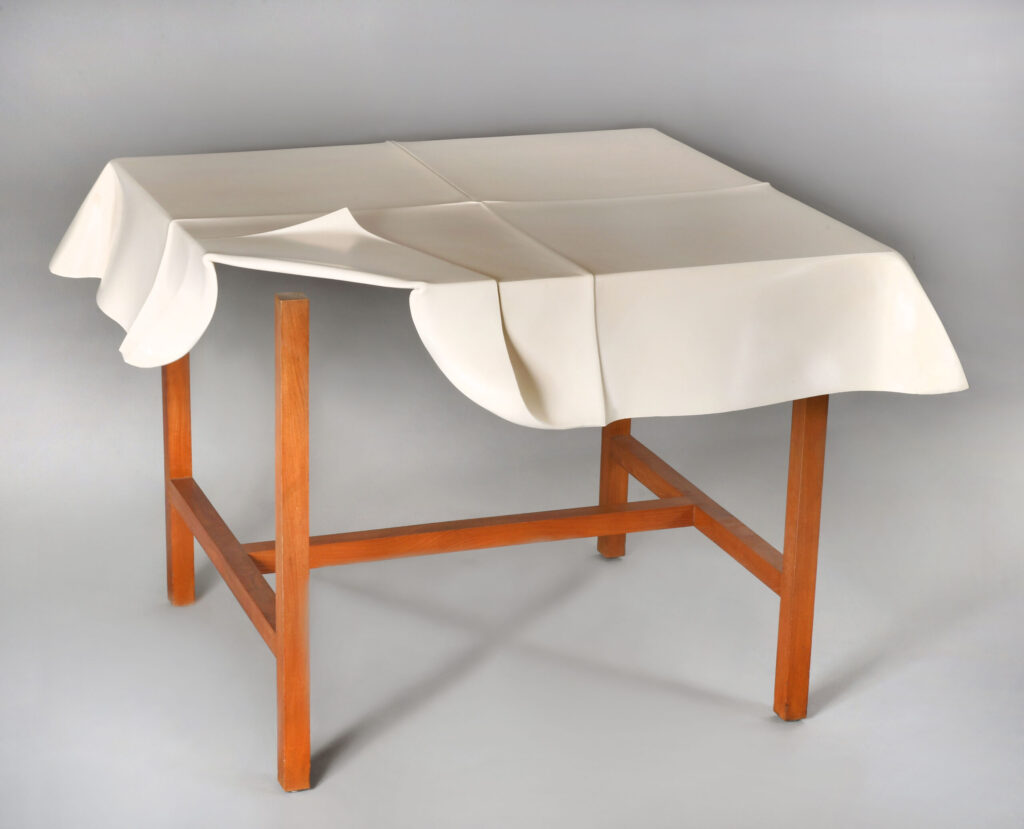
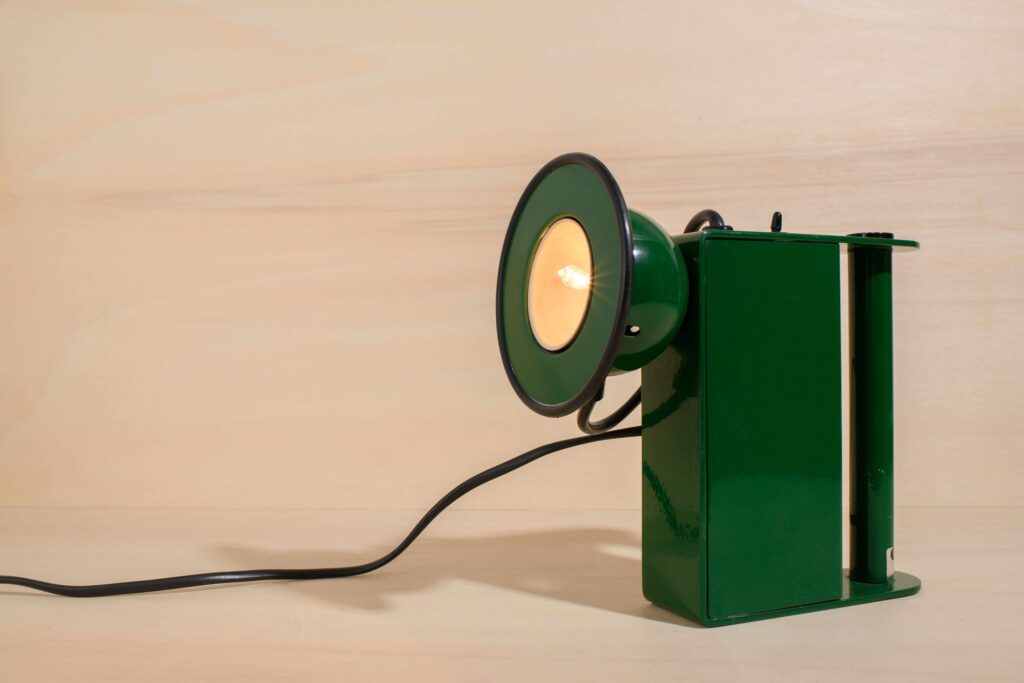
The exhibition Design in hand. From language to object brings together nearly 400 objects – emblematic pieces, prototypes, everyday tools – from the D collectionsabout tenFrench cultural institutions. These pieces, both historical and contemporary, illustrate the diversity and richness of design, from the utilitarian object to the experimental creation.
To complete this panorama, Commissioner Laurence Mauderli also asked for a few private design workshops, and selected archival documents rich in testimonies, reinforcing the historical perspective of the exhibition.
public design collections
-

Centre national des arts plastiques
Its design collection brings together nearly 12,000 works from more than 2,200 French and international designers. Covering a wide variety of eras, countries, modes of production and practices, it reflects the vitality and plurality of contemporary design. -

City Museum of Saint-Quentin-en-Yvelines
It retains several corpuses in connection with the history of the territory and the lifestyles of the decades 1960 to 1980. Born from the interest shown in the life of new inhabitants and the development of their homes, its "Design and lifestyle" collection illustrates and documents the evolution of ways of living. -

Manufactures nationales – Sèvres & Mobilier national
Unique in the world, this new public center dedicated to decorative arts, crafts and design combines heritage and creation to play a central role in the implementation of the national strategy in favor of arts and crafts. -

Frac Grand Large — Hauts-de-France
Equipped with a rich photographic collection and installations, the Frac Grand Large – Hauts de France is the only regional contemporary art fund to form an acquisition line around design. Recognized internationally, this collection of icons of European design, from the 1960s to today, expresses an acute awareness of our social, economic and ecological context. -

Musée des Arts décoratifs et du Design de Bordeaux
Its collections bring together nearly 33,000 works, from the Middle Ages to the present day. Testifying to the production of decorative arts and design in the West, they illustrate typologies as diverse as tableware, furniture, weapons, and also include new uses.
Other collections on display
collections ofarchives
- Loire Departmental Archives
- Cinematheque of Saint-Étienne
- Municipal media libraries of Saint-Étienne
Private collections
- Fondazione Franco Maria Ricci (FMR)
- Frederic Beuvry, designer
- Ulysse Bouet, designer
- Pierre Charpin, designer
- Lucile Viaud, designer
To go forward
To discover this exhibition, the National Design Gallery offers several devices allowing each visitor toenter the subject according to its centers ofinterest and at their own pace. A catalog ofexhibition is also offered for those who wish to deepen the themes addressed in theexhibition, but also open on the question of design and manners ofexhibit.
mediation
Flash visits
Quatre jours par semaine, une équipe de médiateurs et médiatrices culturels est présente dans l’espace d’exposition pour un échange libre avec les publics.
Le point de rencontre et les horaires sont affichés à l’entrée de l’exposition.
Mercredi, vendredi, samedi, dimanche
Horaires : 11h / 15h / 16h
Durée : 20mn
Jauge : 25 personnes
inclus dans le billet
Over theExhibition: QR codes and cartels
In the exhibition, QR codes and mobile cartels in A4 format allow access to rich content and offer different levels of reading on the subject and on the objects on display.
NDon’t hesitate to consult them!
Hello Hector?
For the youngest, the audio device ‘Allô Hector? » highlights a selection of objects through a playful and narrative approach.
Lift the handset of the analog phones made available in the showroom and listen to Hector and his comrades tell their favorites among the exhibits.
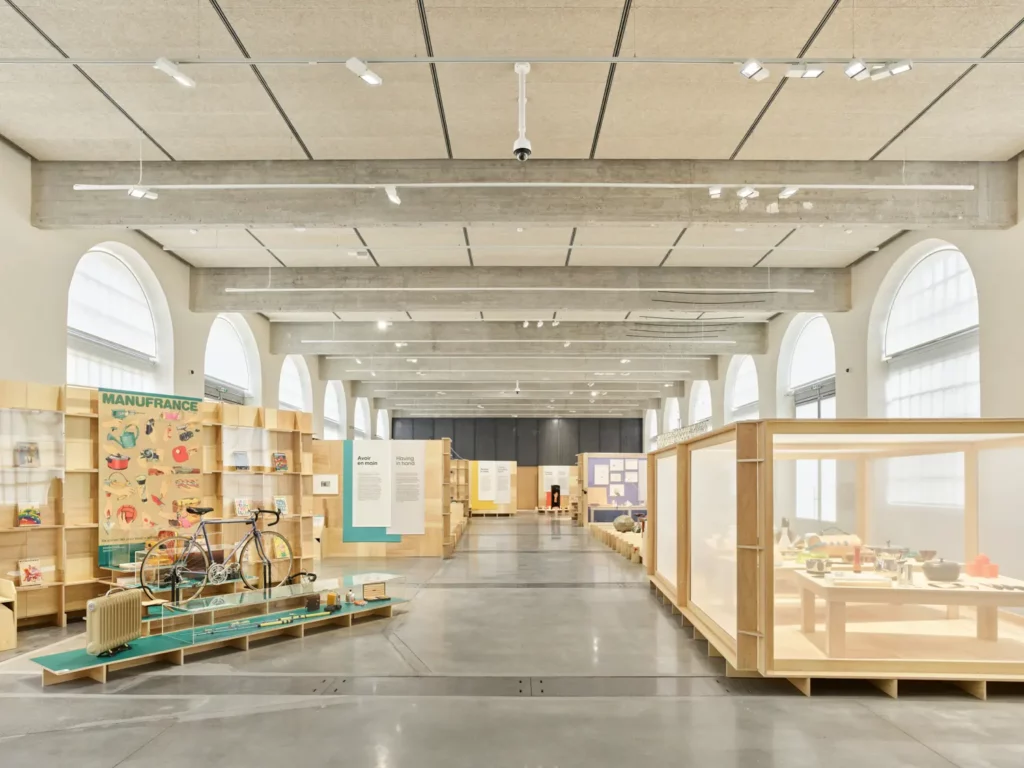
A mediation space in the exhibition
Do you want to take the time, to exchange or to go further after or during your visit? A mediation space welcomes you to the exhibition. Designed for a discovery at your own pace, it is open to all: accompanied groups as individual visitors.
You will find furniture suitable for children, a game booklet, documentation selected by the curator, as well as a digital table to put the objects and ideas of the exhibition in their historical context.
Thematic tours in addition
(‘The Complete’)
In addition, one weekend per month, a thematic visit offers a special look at theAll exhibitions at the Cité du design (National Design Gallery + Platinum).
the catalog
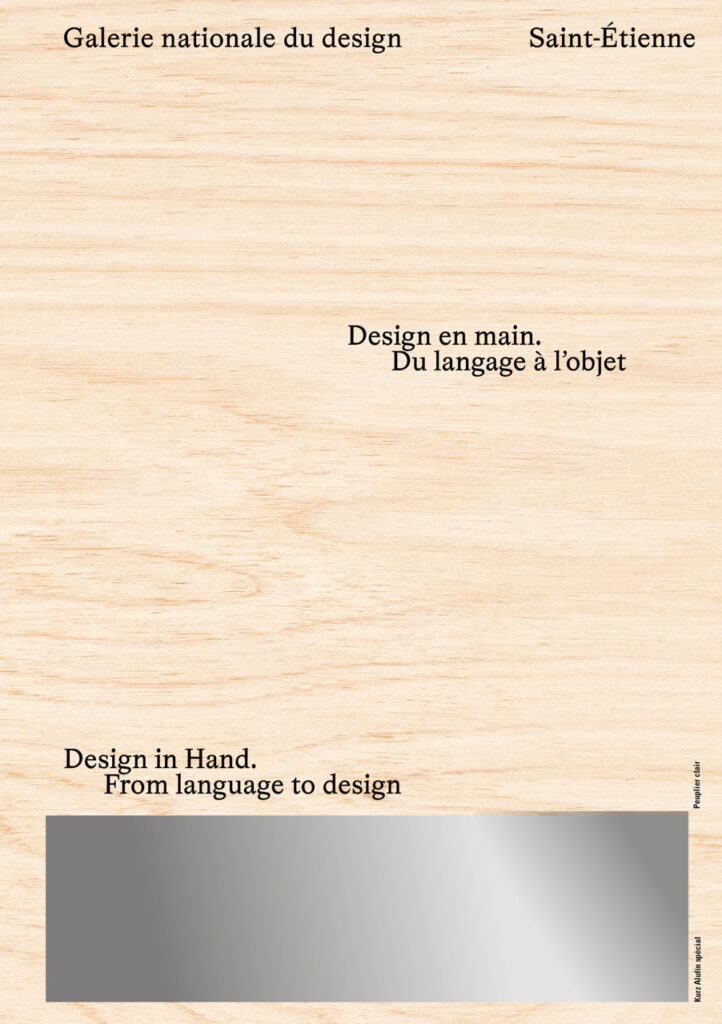
The exhibition catalog Design in hand. From language to object constitutes both its memory and its extension. He returns to the main axes of the visit and develops certain themes, offering the reader extended reading keys. First volume of a reference collection dedicated to design, it also opens up a field of reflection on the contemporary issues of monstration, curation and design conservation, thus affirming the scientific and heritage ambition of the National Design Gallery.
Come and discover the National Design Gallery, a unique venue dedicated to showcasing public design collections, situated in the heart of the Cité du Design district in Saint-Étienne.
Opening hours
Tuesday to Sunday
From 10.00 to 12.30 and from 13.30 to 18.00
Address
14 esplanade Jacques Bonnaval
42000 Saint-Étienne
Prices
- Full price: 2 euros
- Guided tour option: 5 euros
- Free on the first Sunday of every month